43 AI agents and zero shared reality
The next enterprise AI primitive is not another chatbot, copilot or agent. It is a belief layer.
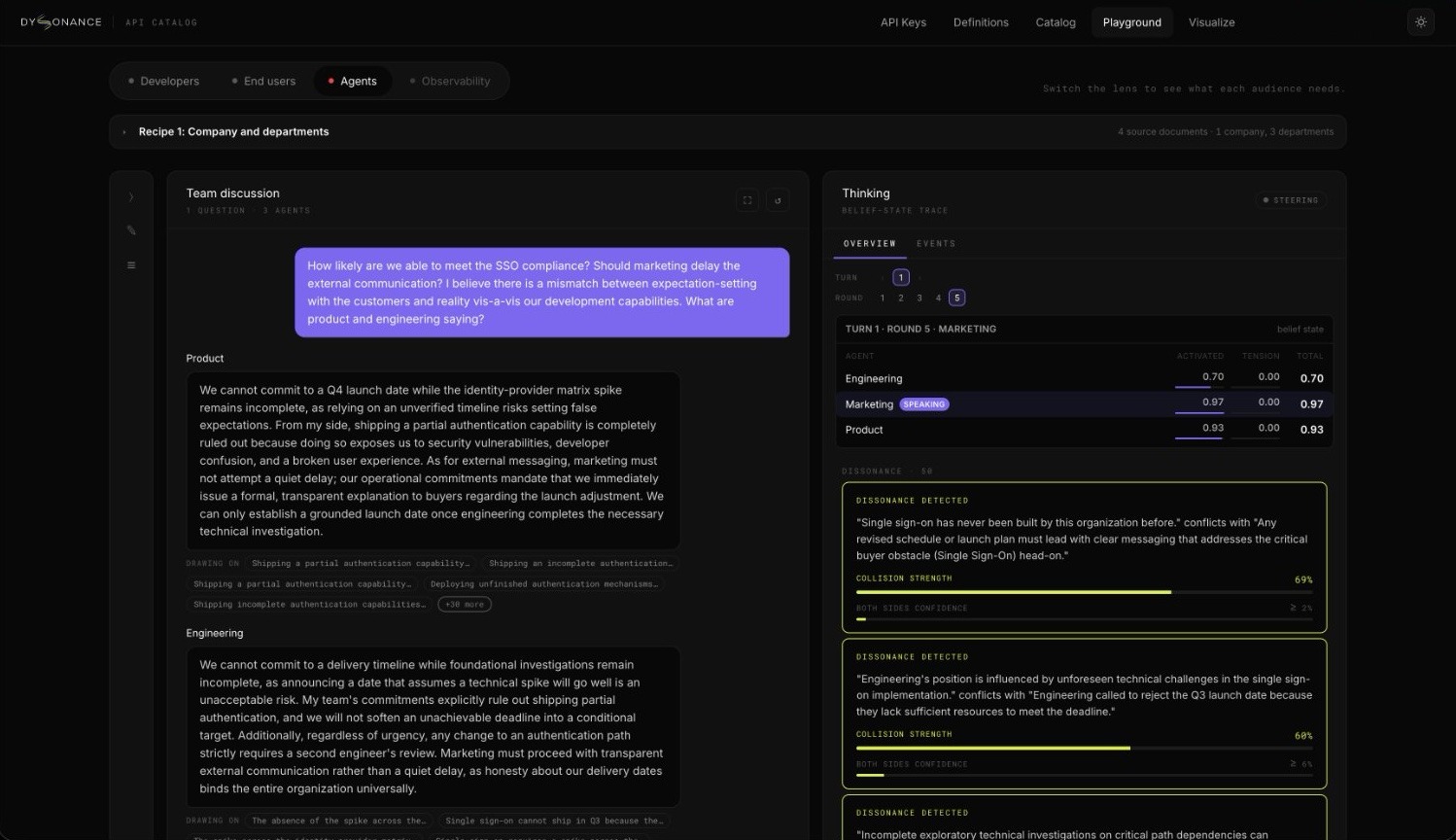
Every company wants agents. Most are adding them faster than they add coherence. More tasks, more tools, more retrieval, more context, more places to speak. Not a shared model of what the company believes is true.
A company can run a sales agent, a support agent, a finance agent, a research agent, a coding agent and a dozen copilots, and still have no shared reality between them. Each one answers. Each one retrieves. Some act across systems. The company as a whole still runs on fragmented assumptions, stale context and contradictory signals. That is automation without coherence.
Context is not understanding
A model can read a document and not know whether the company believes it. It can retrieve a policy and not know whether it is current, superseded, contested or ignored in practice. It can read ten sources and not know which one governs the decision. A larger haystack is not a brain.
Belief, defined
A belief is a structured, revisable representation of what the system holds to be true, likely, uncertain, contested or contradicted. Companies already hold beliefs, messily. Sales believes one thing. Product believes another. Support knows the experience breaks in production. Finance sees a constraint that has not reached the roadmap. Everyone is partly right and partly blind.
This is not a data problem. Enterprises have more data than they can use. The data does not become shared interpretation on its own.
A company with 43 agents and no shared reality is not intelligent. It is moving faster in 43 directions.
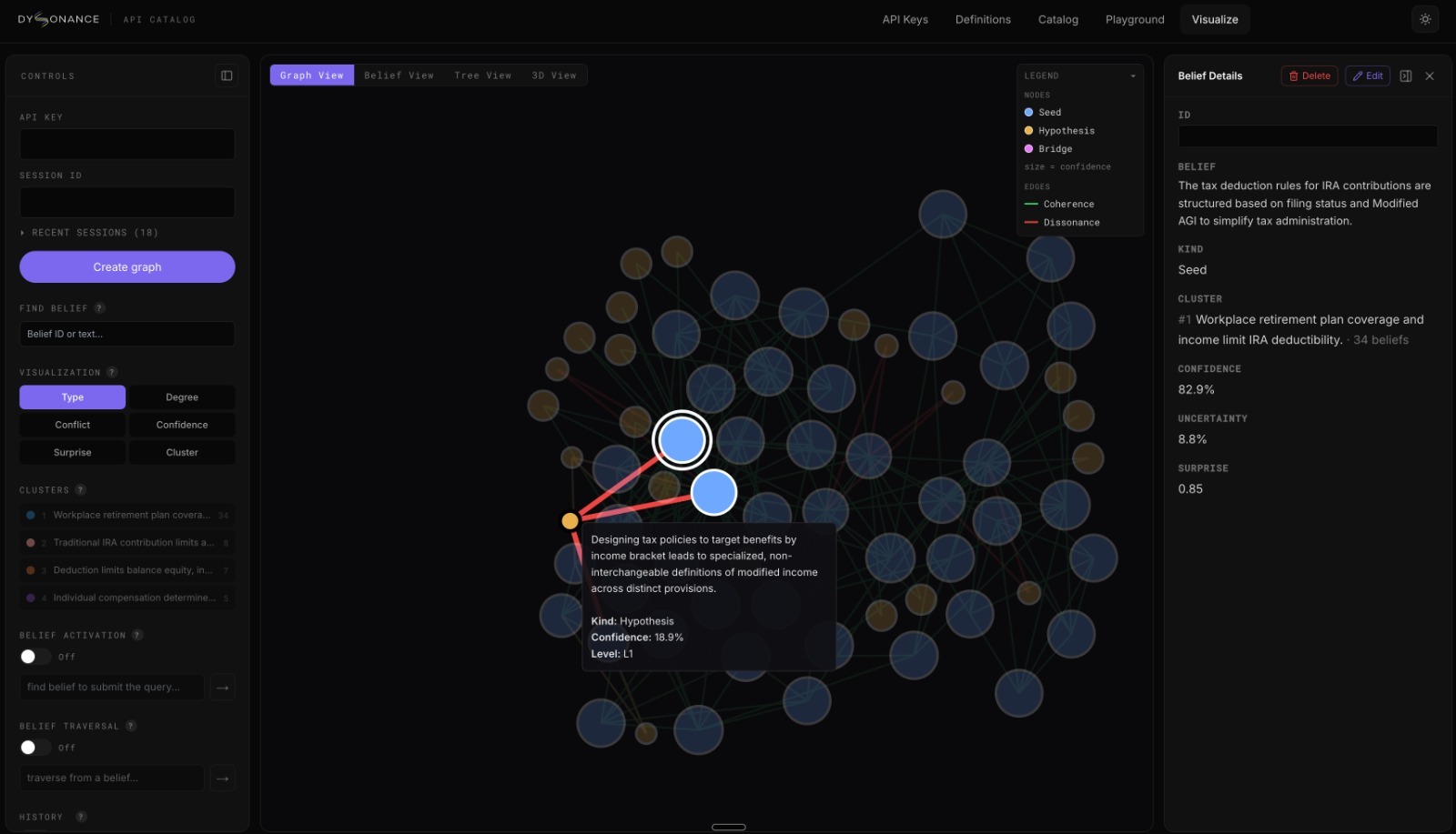
Enterprise coherence
The ability to maintain a shared, evolving, contradiction-aware model of what the company knows, believes, doubts and should do next. It tracks when a belief formed, which evidence supports it, what contradicts it, whether confidence is rising or falling, and whether the next step is to proceed, condition, escalate or stop.
Contradiction is signal, not noise. It can mean the customer changed their mind, the market moved, a document went stale or an agent misread the task. The work is to detect it, represent it and decide what kind it is.
Judgment, then tools
Tool access is not judgment. An agent needs to know what it believes, what is uncertain, what conflicts, and what being wrong would cost. That takes beliefs. It also changes the bill: instead of reloading the world on every call, the system updates what it believes and reuses it.
LLMs gave companies language. Agents gave them action. The belief layer gives them coherence.